 listicle
Beyond Hampers: Corporate Gift Alternatives That Work
Table of Contents
- Why Traditional Hampers Are Losing Ground
- 1. Bespoke Glassware: The Standout Corporate Gift Alternative
- 2. Tech Kits and Digital Gifting Platforms
- 3. Wellness and Experience Gifts
- 4. Aligning Employee Recognition Program Strategies with Gift Choices
- 5. Corporate Gifting Etiquette in Australia: What to Know
- 6. Tax, Logistics, and ROI: The Practical Side of Corporate Gift Alternatives
- Frequently Asked Questions
Last Updated: September 16, 2026
Why Traditional Hampers Are Losing Ground
The corporate hamper has a problem: everyone has received one. The same wicker basket, the same shortbread, the same wine that nobody drinks. For businesses searching for alternatives to traditional corporate gift hampers, the issue is not nostalgia, it is effectiveness.
This guide from The Glassware Company covers what actually works instead.
A hamper is a curated box of food and drink, usually perishable, often generic, and rarely remembered a month after delivery. That is the core weakness. Research from the Australian Taxation Office on fringe benefits confirms that most gifts to clients and staff carry tax and reporting obligations, so the money is being spent regardless. Spending it on something forgettable is the real waste. Below, we break down the strongest corporate gift alternatives, what they cost you in effort, and how to choose one that survives the year.
1. Bespoke Glassware: The Standout Corporate Gift Alternative
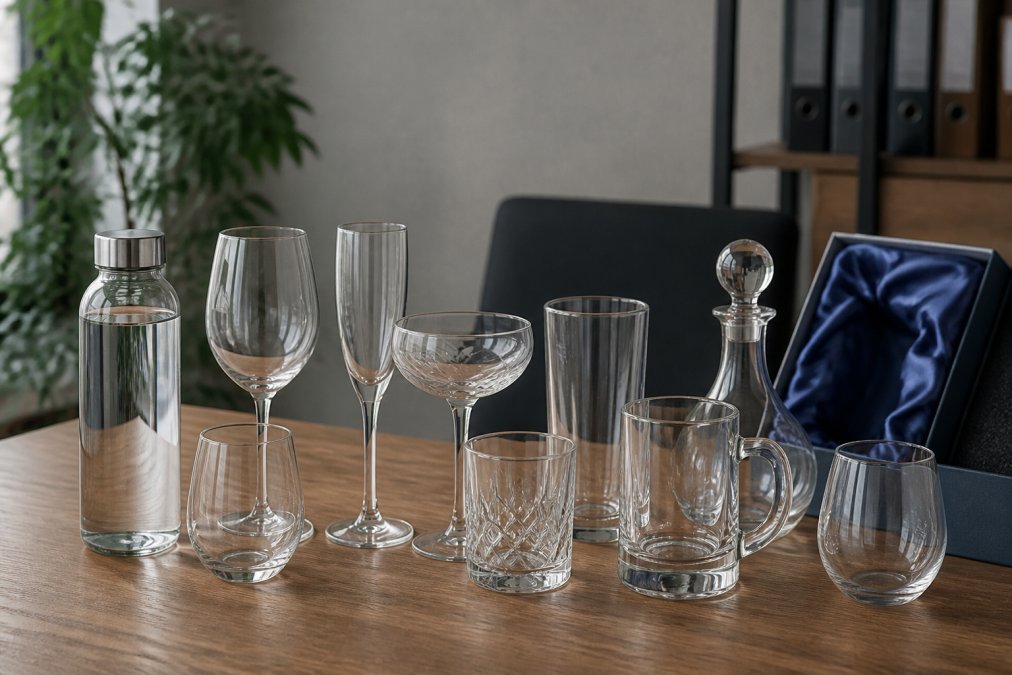
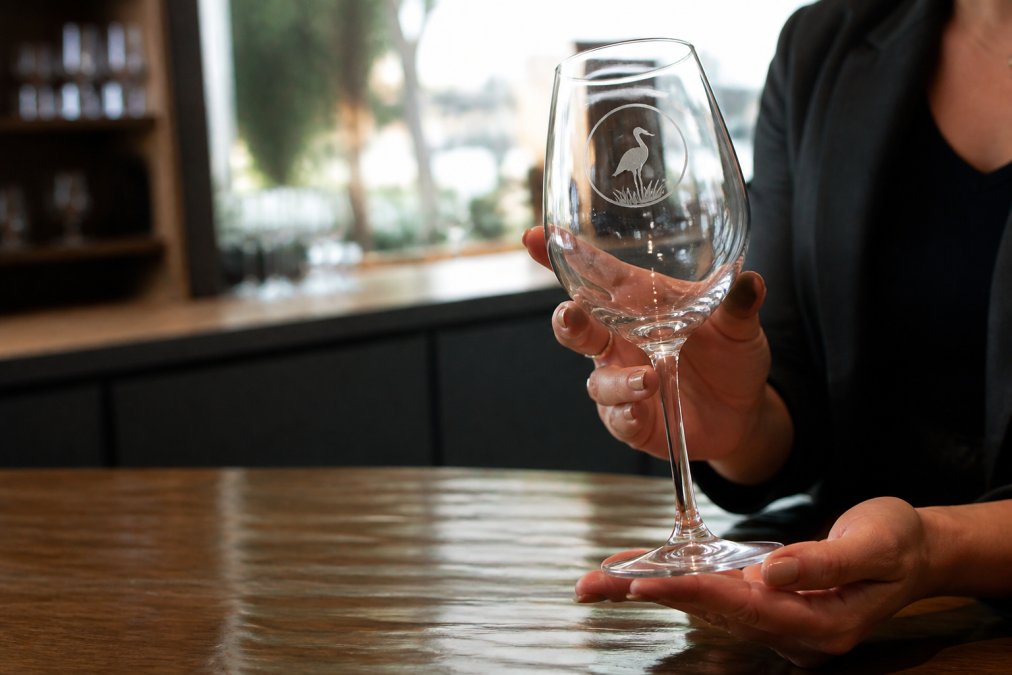
Bespoke glassware is the strongest corporate gift alternative because it is functional, permanent, and carries your branding every time it is used. A custom-etched wine glass or beer stein sits on a desk or behind a bar for years, not weeks.
The Glassware Company offers bespoke, high-quality custom glassware, expertly etched or engraved with your unique logo or artwork, serving corporate clients, wineries, breweries, and hospitality events. With years of industry experience and a large range of styles from beer steins to champagne flutes, we ensure your promotional gifts or event-specific glassware make a striking and memorable impression.
Engraving and Etching: Durability for Commercial Use
Etching and engraving are permanent. The mark is cut into the glass surface rather than printed onto it, so it does not peel, fade, or wash away in a commercial dishwasher. That durability is why hospitality venues choose it over printed merchandise, which tends to degrade after repeated cycles. A common mistake is ordering printed glassware for a venue and discovering the branding is gone within a season.
2. Tech Kits and Digital Gifting Platforms
Tech kits and digital gifting platforms solve a logistics problem rather than a taste problem. Instead of shipping identical boxes to every recipient, a platform lets each person select their own gift from a curated catalogue.
This matters most for distributed teams. A single hamper design rarely suits a recipient in a different state, let alone a different country, and shipping perishables across long distances adds cost and risk. Digital gifting removes the storage, the re-shipping, and the guesswork. The trade-off is real: recipients lose the tactile unboxing moment that a physical item provides, and a purely digital gift can feel transactional if it is not paired with a personalised note.
| Gift Type | Best For | Main Trade-Off |
|---|---|---|
| Bespoke glassware | Client appreciation, hospitality | Requires production lead time |
| Tech and digital kits | Remote and hybrid teams | No physical unboxing moment |
| Wellness and experience gifts | Employee recognition | Harder to brand consistently |
| Gourmet selections | Traditional recipients | Perishable, delivery-sensitive |
3. Wellness and Experience Gifts
Wellness and experience gifts work when the goal is recognition rather than brand exposure. A spa voucher, a cooking class, or a curated wellness box signals that you considered the person, not just the purchase order.
These gifts suit employee recognition programs particularly well, because the value lands with the recipient rather than the company logo. The limitation is consistency: experiences are difficult to brand, and dietary or accessibility needs require genuine attention. Wellness essentials, organic products, and gluten-free options should be standard choices, not afterthoughts, if you want the gift to suit everyone on the list.
4. Aligning Employee Recognition Program Strategies with Gift Choices
Employee recognition program strategies fail when the gift and the message do not match. A premium item for a routine thank-you reads as overkill. A token gesture for a major milestone reads as an insult.
Match the gift to the moment:
- Milestone anniversaries: bespoke glassware or a personalised keepsake
- Peer-to-peer thanks: smaller wellness or gourmet items
- Team celebrations: shared experience or catering
- Client appreciation: premium presentation, branded and durable
A common mistake is treating every recognition moment identically. The gift should scale with the achievement.
5. Corporate Gifting Etiquette in Australia: What to Know
Corporate gifting etiquette in Australia comes down to three things: transparency, appropriateness, and timing. Gifts to clients and employees may carry fringe benefits tax implications, and public sector recipients often have strict gift registers and disclosure thresholds.
Check the recipient's policy before you send anything. Declare gifts where required. Avoid alcohol as a default, since it excludes people for religious, health, or personal reasons, and choose dietary-inclusive options when food is involved. A thoughtful gesture that breaches a policy creates work for the recipient, which defeats the purpose.
6. Tax, Logistics, and ROI: The Practical Side of Corporate Gift Alternatives
The practical side decides whether a gifting program survives its first budget review. Three factors matter: tax treatment, logistics, and measurable return.
On tax, gifts to employees and clients can attract fringe benefits tax, and the treatment depends on value, frequency, and whether the gift is work-related. The Australian Taxation Office guide to fringe benefits sets out the thresholds and exemptions, and it is worth confirming your position before committing to a large order.
On logistics, plan for distributed teams from the start. Centralised shipping to one office does not work when half the recipients are remote. Physical items need a delivery schedule, a re-shipment plan for failed deliveries, and a lead time buffer.
On ROI, measure what you can. Track recipient acknowledgement rates, repeat orders, and client retention against a control group that received nothing. Most teams never measure gifting at all, which is why the budget is always the first thing cut.
Most gifting budgets are wasted on items nobody remembers. Choosing a gift that is durable, inclusive, and genuinely useful is what separates a program that earns its budget from one that gets cut. The Glassware Company offers bespoke, high-quality custom glassware, expertly etched or engraved with your logo or artwork, backed by a large range of styles from beer steins to champagne flutes and a team focused on getting your artwork right before production. Get an online quote from The Glassware Company and give your clients something they will actually keep.
Frequently Asked Questions
What can you use instead of a hamper for corporate gifting?
Corporate gift alternatives include bespoke glassware, tech kits, wellness boxes, and experience vouchers. Bespoke glassware offers lasting brand visibility and durability. For example, custom-etched wine glasses or beer steins serve as daily reminders of your brand. Other options include digital gift platforms that let recipients choose, reducing waste. Consider your recipients' preferences and your brand values when selecting alternatives.
How can bespoke glassware enhance a corporate gifting strategy?
Bespoke glassware creates a tangible, long-lasting connection with your brand. Unlike consumable hampers, engraved glasses or steins are used repeatedly, reinforcing brand recall at every sip. They suit client appreciation, employee recognition, and event giveaways. The customisation process ensures your logo is represented accurately. This makes glassware a practical and memorable corporate gift alternative.
What are the tax implications of corporate gifts under Australian law?
In Australia, the tax deductibility of corporate gifts depends on their value and purpose. Gifts under $300 (excluding GST) given to clients or employees may be deductible if they are business-related and not entertainment. However, gifts over $300 or those considered entertainment may attract Fringe Benefits Tax (FBT). Consult the Australian Taxation Office (ATO) guidelines or a tax professional to ensure compliance.
How do you choose a corporate gift that aligns with brand values?
Choose gifts that reflect your company's ethos. If sustainability is a priority, opt for eco-friendly or locally made items like bespoke glassware from ethical brands. For wellness-focused brands, curated wellness boxes work well. Consider the recipient's role and preferences. Involving employees in the selection process can also ensure the gift resonates and reinforces your brand identity.
Why are businesses moving away from generic food-based hampers?
Businesses are shifting from generic hampers due to dietary restrictions, perishability, and lack of lasting brand impact. Hampers often contain items that may not suit all recipients, leading to waste. In contrast, bespoke glassware or tech kits offer practical, long-lasting value and can be customised to reflect brand identity. This shift also aligns with a desire for more thoughtful, inclusive gifting practices.