 ultimate-guide
Bespoke Glassware for Restaurant Brand Identity: A 2026 Guide
Table of Contents
- Why Bespoke Glassware Matters for Restaurant Brand Identity
- Benefits of Logo-Etched Glassware for Hospitality Venues
- How to Choose Restaurant Glassware That Reflects Your Brand
- Custom Branded Drinkware for Hospitality: Engraving vs. Printing
- Durability and Maintenance: Protecting Your Investment
- ROI and Long-Term Value of Bespoke Glassware
- Sustainability and Eco-Friendly Manufacturing
- Implementation: Getting Your Bespoke Glassware Order Right
Last Updated: August 23, 2026
Why Bespoke Glassware Matters for Restaurant Brand Identity
Bespoke glassware is a strategic asset that transforms how guests perceive your establishment. When a customer lifts a glass bearing your logo, they're holding a tangible representation of your brand promise. A well-designed glass with your logo becomes part of the experience itself, a silent ambassador working every time someone orders a drink.
The difference between standard commercial glassware and bespoke glassware is immediately visible. Your guests notice, photograph it, and talk about it. Think of glassware as your tabletop marketing collateral. Unlike a menu that gets set down or a napkin that gets discarded, a glass travels through the entire service, sitting in front of your guest, held, and examined. For restaurants competing on experience, every detail signals quality.
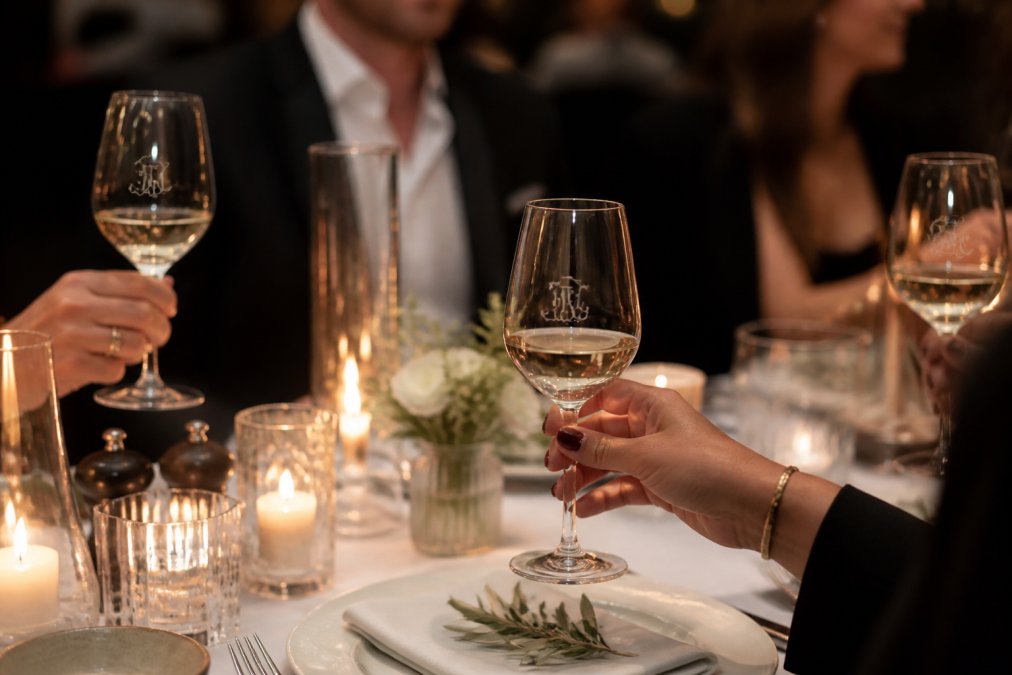
The psychology of the glass itself matters. Weight, shape, and customisation quality all influence how guests perceive your brand. A lightweight glass feels cheap; a heavy, well-balanced glass feels premium. When your logo is applied with precision, it reinforces professionalism.
Benefits of Logo-Etched Glassware for Hospitality Venues
Creating a Silent Brand Ambassador
A glass with your logo works silently and consistently every time someone picks it up. Your guests become walking advertisements the moment they leave your establishment, especially if they've taken a souvenir glass or if your branding is distinctive enough to be memorable. This passive brand reinforcement is powerful and requires no additional marketing spend.
Logo-etched glassware also solves brand theft. When glassware is clearly marked with your name or logo, it's harder for guests to pocket it as a souvenir. More importantly, if glassware does leave your venue, it's promoting your brand wherever it goes, especially valuable for breweries and wineries.
Enhancing Guest Experience and Ambiance
The moment a guest sits down and reaches for a drink served in custom branded drinkware, the entire experience shifts. Suddenly, the venue feels more intentional, premium, and thoughtfully curated. A signature cocktail served in a branded glass isn't just a drink; it's a complete sensory experience. The weight of the glass, the clarity of the etching, and how light passes through it accumulate into an impression of quality.
For hospitality venues, this matters because guest experience directly influences retention and word-of-mouth recommendations. A memorable detail like branded glassware is exactly what guests mention when recommending your restaurant to friends.
Driving Customer Retention and Recognition
Branded glassware creates a direct link between the guest experience and your brand identity. When someone uses your glass at home, they're reminded of their experience at your venue. This recognition compounds over time. Guests who receive branded glassware develop stronger emotional attachment to your venue and are more likely to return, recommend you, and spend more per visit (peer-reviewed research).
How to Choose Restaurant Glassware That Reflects Your Brand
Selecting the right glassware requires understanding both your brand identity and the practical demands of service. Start with your concept. A fine dining establishment needs different glassware than a casual brewery. Your glassware should visually reinforce what your venue promises.
Next, consider durability and frequency of use. Restaurant glassware endures commercial dishwashers, high-temperature cycles, and constant handling. The customisation method you choose must withstand this environment. A logo that fades after three months damages your brand more than no logo at all.
Selecting Glassware Styles for Fine Dining Concepts
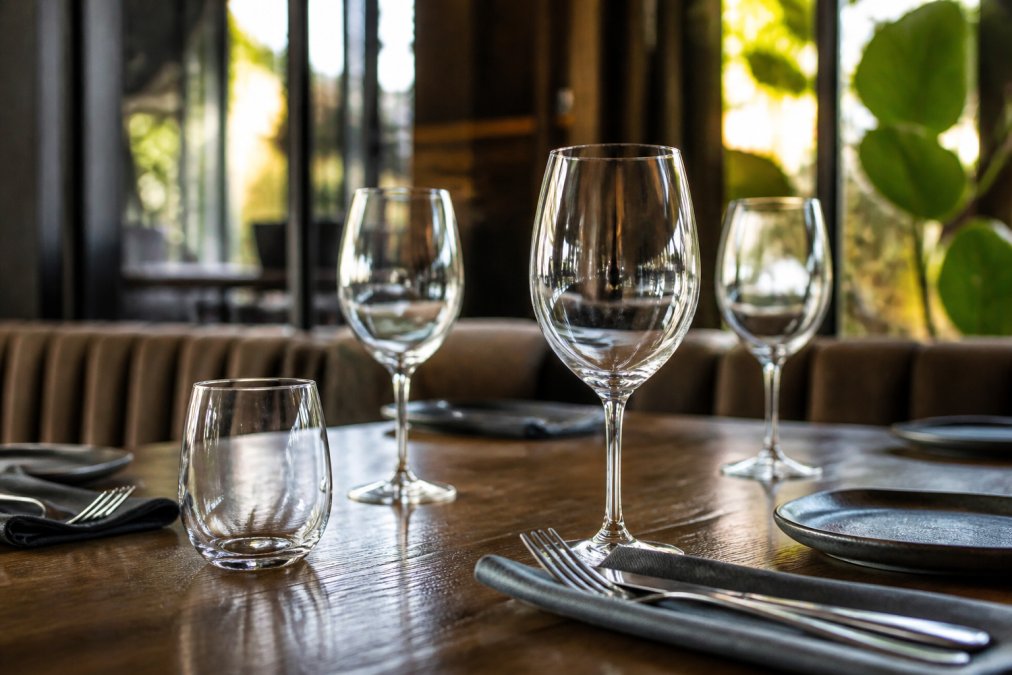
Fine dining establishments must choose glassware that complements the formality of the experience. This typically means heavier glasses with refined proportions: wine glasses with defined bowls, water glasses with elegant stems, champagne flutes with slender lines.
The weight of the glass matters significantly. Guests expect a certain heft; a light, thin glass feels cheap regardless of design quality. Consider also how the glassware interacts with your table setting. For signature cocktails or wines, many fine dining venues choose branded glassware specific to that drink, creating a memorable moment that guests photograph and remember.
Assessing Glass Weight, Shape, and Durability
Glass weight directly influences perceived quality. Thicker glass, particularly at the base and rim, feels more durable and premium. Shape determines function and aesthetic impact: a wide bowl allows wine to breathe and shows off colour; a narrow bowl concentrates aromas for spirits; a straight-sided tumbler works for casual service.
Durability under commercial use is non-negotiable. Standard restaurant glassware is designed to withstand repeated high-temperature washing cycles (check the temperature rating stated on the packaging). When you add customisation, the durability of that customisation becomes critical. Poor-quality engraving can wear smooth after months of use; low-quality printing can fade or chip.
Custom Branded Drinkware for Hospitality: Engraving vs. Printing
The method you choose to apply your logo fundamentally affects durability, appearance, and cost.
Engraving: Permanence and Premium Perception
Engraving removes a thin layer of glass surface, creating a recessed design that is permanent and cannot fade, chip, or wash away. This permanence is why engraving is the preferred choice for fine dining establishments and premium venues. Engraved glassware carries a perception of luxury and permanence that guests recognise as a mark of quality.
The trade-off is cost. Engraving is more labour-intensive and typically more expensive than printing. However, because engraved designs never degrade, the long-term value often justifies the higher initial investment. Engraving also works beautifully for merchandise-grade glassware that guests might take home as a souvenir. [EXTERNAL_LINK: branded coffee cups for events | mayasmacchiatos.com].
Printing: Colour Vibrancy and Design Complexity
Printing applies colour directly to the glass surface, allowing for more complex designs, multiple colours, and photographic-quality artwork. If your logo includes gradients or detailed imagery, printing is often the only practical option.
Printed glassware can be visually striking with vibrant colours and exceptional design detail. The limitation is durability. Printed designs can fade over time with repeated high-temperature washing. High-quality printing can last several years, but it will eventually fade in ways that engraving never will (peer-reviewed research). For hospitality venues using glassware in daily service, this durability question is critical.
Durability and Maintenance: Protecting Your Investment
Your bespoke glassware is an investment in your brand identity. Commercial dishwashers are harsh environments with high temperatures, aggressive detergents, and rapid cycles that stress glassware. Even glasses designed for commercial use will eventually show wear.
To extend the life of your glassware, use appropriate commercial dishwasher detergents and avoid overloading the dishwasher. For engraved glassware, maintenance is straightforward since engraving cannot degrade. For printed glassware, minimise exposure to abrasive scrubbing to extend lifespan.
Water quality matters significantly. Hard water leaves mineral deposits that cloud glassware over time. A commercial water softening system or rinse aid in the dishwasher reduces this effect.
ROI and Long-Term Value of Bespoke Glassware
Calculating return on investment requires looking beyond initial purchase cost. Consider the cost per use. A branded glass used in service 300 times per year for 3 years delivers 900 customer touchpoints at a cost of just a few dollars per glass. Compare that to traditional advertising, which costs far more for less direct brand exposure.
For merchandise-grade glassware that guests take home, the value extends beyond your venue. Every time that guest uses the glass, they're reminded of their experience. Every time a friend sees it and asks where it came from, your brand gets a recommendation.
Guest retention is the most quantifiable benefit. Restaurants that invest in premium glassware typically see higher repeat visit rates. Guests feel valued and are more likely to recommend the establishment and return themselves.
Sustainability and Eco-Friendly Manufacturing
Glass itself is inherently sustainable. It's infinitely recyclable, non-toxic, and inert. Unlike plastic or paper, glass doesn't leach chemicals and doesn't degrade in quality through recycling cycles.
The environmental impact of custom glassware depends on manufacturing processes, transportation distance, customisation durability, and how long the glassware remains in use before recycling. Durable customisation matters environmentally. If your printed logo fades within a year, that's environmental waste. If your engraved glassware lasts 5 years in active service, that's a much better environmental outcome.
Many venues find that investing in high-quality, durable bespoke glassware aligns with their sustainability goals. One set of long-lasting branded glasses used for years is more environmentally responsible than repeatedly replacing cheaper glassware that degrades quickly.
Implementation: Getting Your Bespoke Glassware Order Right
Artwork Approval and Proofing Process
The proofing process is where many glassware orders go wrong. A logo that looks perfect on screen can look entirely different when applied to glass. Colours shift, details become unclear, and proportions feel off. Professional suppliers insist on a formal proofing stage before production begins.
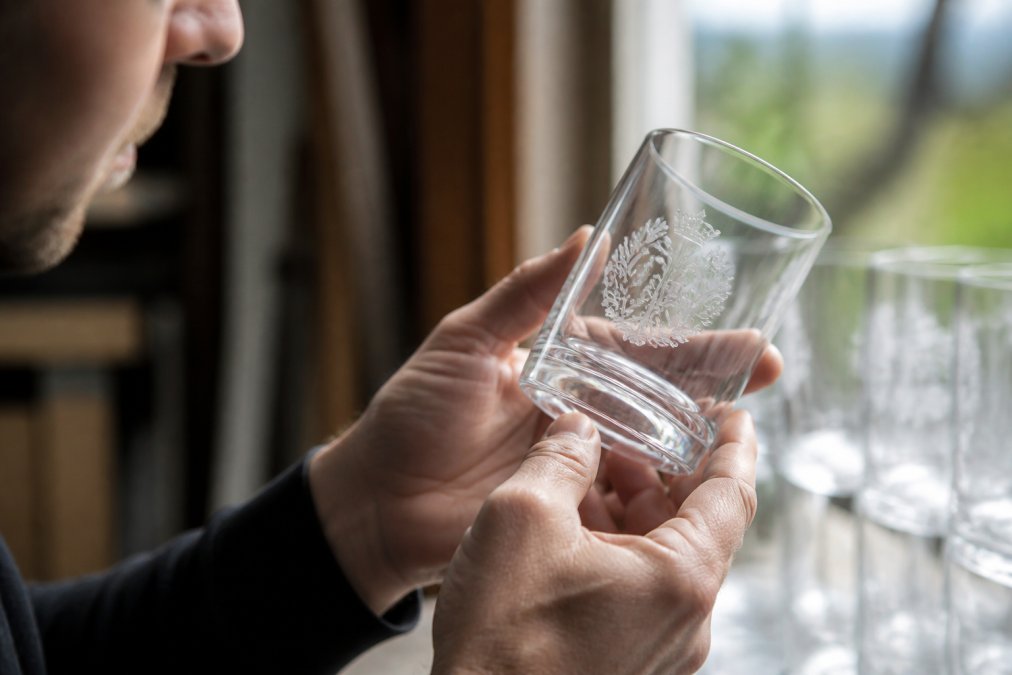
During proofing, pay attention to fine details. Is the logo size appropriate? Does the placement feel balanced? Are all colours accurate? Does the design remain clear and readable? This is your opportunity to request changes before production begins. Communicate any concerns immediately, a professional supplier will work with you to refine the proof until it meets your expectations.
Minimum Orders and Turnaround Timelines
Most custom glassware suppliers have minimum order quantities because setup costs for customisation are fixed regardless of order size. Typical minimums range from 48 to 500 units depending on the customisation technique and supplier. Engraved glassware often has higher minimums than printed glassware.
Turnaround times vary based on order size, customisation complexity, and current production schedules. Standard turnaround is typically 2-4 weeks for most orders. Event-specific glassware with tight deadlines requires planning well in advance.
Batch Consistency and Quality Assurance
When you reorder the same design, you expect the new batch to match the previous one. Colours should be identical, logo placement consistent, and quality uniform. This requires rigorous quality assurance processes. A supplier with extensive experience understands how to maintain consistency across batches through established processes and colour standards.
Ask potential suppliers about their quality assurance process. How do they verify colour accuracy across batches? How do they ensure logo placement is consistent? What happens if a batch doesn't meet standards? A professional supplier will have clear answers and documented processes.
Bespoke glassware for restaurant brand identity is a strategic investment that extends far beyond holding a beverage. It's a tool for building brand recognition, enhancing guest experience, and creating lasting impressions that drive customer retention. The right glassware, selected thoughtfully, customised professionally, and maintained properly, becomes part of your brand story.
Frequently Asked Questions
How does custom glassware improve restaurant brand recognition?
Bespoke glassware acts as a silent brand ambassador every time a guest holds a drink. When your logo or artwork is etched or printed on the glass, it reinforces brand identity throughout the dining experience and creates a lasting impression. Guests who take branded glassware home as keepsakes extend your brand's reach beyond the restaurant, turning each piece into a mobile marketing asset. This repeated visual exposure strengthens brand recall and differentiates your venue from competitors.
What are the benefits of etched versus printed logos on glassware?
Etching creates a permanent, frosted appearance that resists fading even after hundreds of commercial dishwasher cycles, making it ideal for high-volume hospitality settings. Engraved logos convey premium quality and durability. Printing allows vibrant colours and complex artwork, perfect for detailed designs and promotional campaigns, though prints require careful handling to maintain longevity. Choose etching for permanent, commercial-grade durability; choose printing when colour vibrancy and design complexity are priorities for your brand identity.
How do I choose the right glassware style for my restaurant concept?
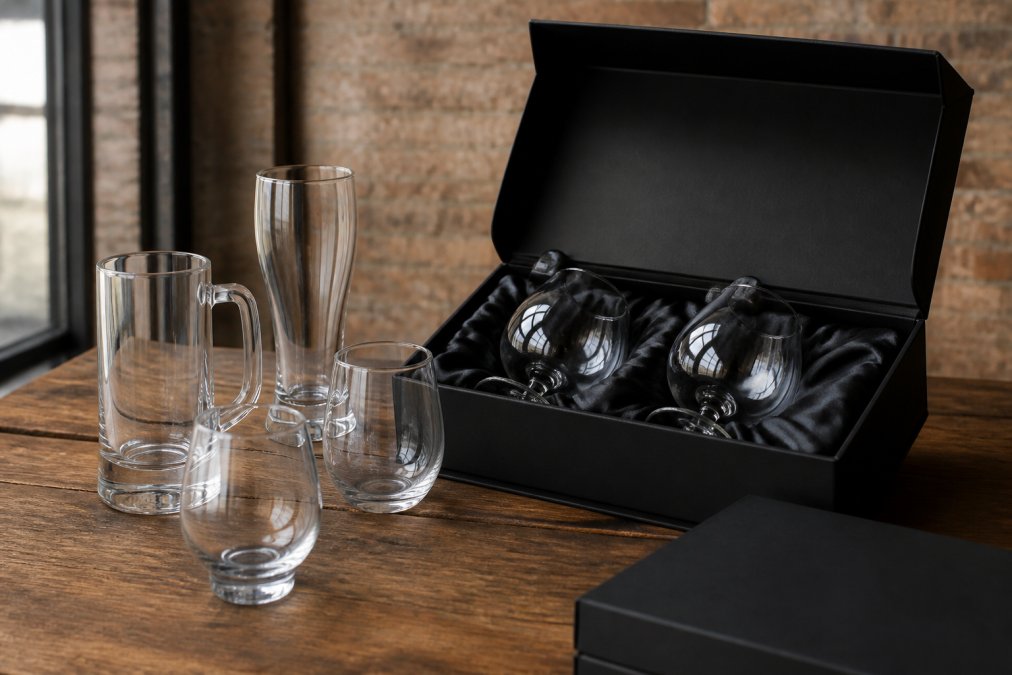
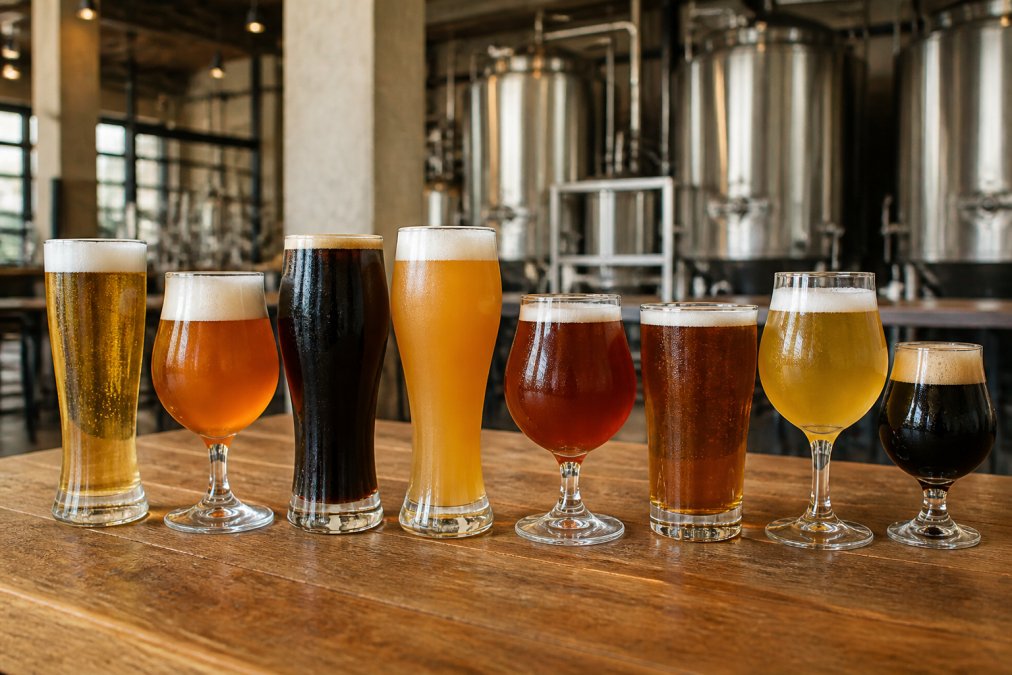
Match glassware style to your venue's positioning and beverage service. Fine dining establishments benefit from elegant wine glasses, champagne flutes, and refined cocktail tumblers. Casual breweries or taprooms suit beer steins, pint glasses, and strong barware. Consider glass weight and shape: heavier glasses signal premium quality, whilst certain shapes enhance specific beverages. Assess your tabletop presentation and guest experience goals. Your glassware should complement your menu, ambiance, and brand positioning, it's part of your operational efficiency and visual branding strategy.
Is bespoke glassware a cost-effective marketing strategy for hospitality?
Yes. Bespoke glassware delivers ROI through multiple channels: it enhances guest experience, increases brand recognition, and generates repeat business. Unlike single-use promotional items, quality glassware has longevity, guests use it repeatedly, extending your brand's visibility. When guests take branded glasses home, they become ongoing marketing collateral. Pricing depends on quantity, customisation technique, and delivery timelines. Request a quote from The Glassware Company to evaluate costs against your specific volume and design requirements.
How do I ensure my etching or engraving will hold up in a commercial dishwasher?
Etching and engraving are permanent surface treatments that bond chemically to the glass, making them dishwasher-safe for hundreds of cycles. Unlike printed designs, which can fade with repeated washing, etched logos maintain clarity and visibility indefinitely. Commercial-grade glassware is specifically engineered for hospitality settings where frequent, high-temperature washing is standard. The Glassware Company uses proven techniques to guarantee durability. Always confirm with your supplier that their etching process is tested for commercial dishwasher use before placing your order.
What's your typical turnaround time, and can you accommodate rush orders?
Turnaround depends on order size, customisation complexity, and current production schedules. Standard timelines vary; rush orders may be available at additional cost. The Glassware Company's professional team can discuss your event date and delivery requirements when you request a quote. Provide at least six weeks for most orders to allow for artwork approval, production, and delivery. Contact The Glassware Company directly to confirm timelines for your specific project and discuss rush options if needed.
How do you keep colours and designs consistent across multiple batches?
Batch consistency is achieved through rigorous quality assurance processes and detailed artwork documentation. Professional suppliers like The Glassware Company maintain colour profiles and production standards so reorders match previous batches. Before production begins, you'll approve artwork proofs to ensure the design meets your specifications. Documented approval records help maintain consistency on future orders. If you reorder the same design quarterly, your supplier should have your approved artwork on file, ensuring colours and placement remain consistent across all batches.
What happens if I'm not happy with the final product?
Quality assurance begins with the proofing process, you approve artwork before production to catch any issues early. Once approved, most custom orders are final because glassware is made to specification. However, reputable suppliers stand behind their work. If defects occur due to manufacturing error, discuss resolution options with The Glassware Company. Request their policy on returns, adjustments, and quality guarantees before placing your order. Clear communication about expectations and approval steps minimises the risk of dead stock or design disappointments.
This article was written using GrandRanker