 listicle
Eco-Friendly Custom Wine Glasses Alternatives for 2026
Table of Contents
- Why Look Beyond Traditional Wine Glasses?
- Sustainable Promotional Drinkware: What Are Your Options?
- Recycled Glass: A Direct Alternative for Custom Wine Glasses
- Stainless Steel Wine Tumbler Branding: Durability Meets Style
- Benefits of Reusable Custom Drinkware for Your Brand
- Biodegradable and Plant-Based Materials for Events
- End-of-Life Disposal: What Happens After the Event?
- How to Choose the Right Eco-Friendly Alternative
- Frequently Asked Questions
Last Updated: September 8, 2026
Why Look Beyond Traditional Wine Glasses?
The push for eco-friendly custom wine glasses alternatives is driven by how venues and brands measure environmental impact, and exploring wine glasses alternatives is now a core part of that strategy. Traditional glass production is energy-intensive, and transporting heavy, fragile drinkware adds significantly to a product's carbon footprint.
The market now offers several viable paths balancing durability, aesthetics, and waste reduction.
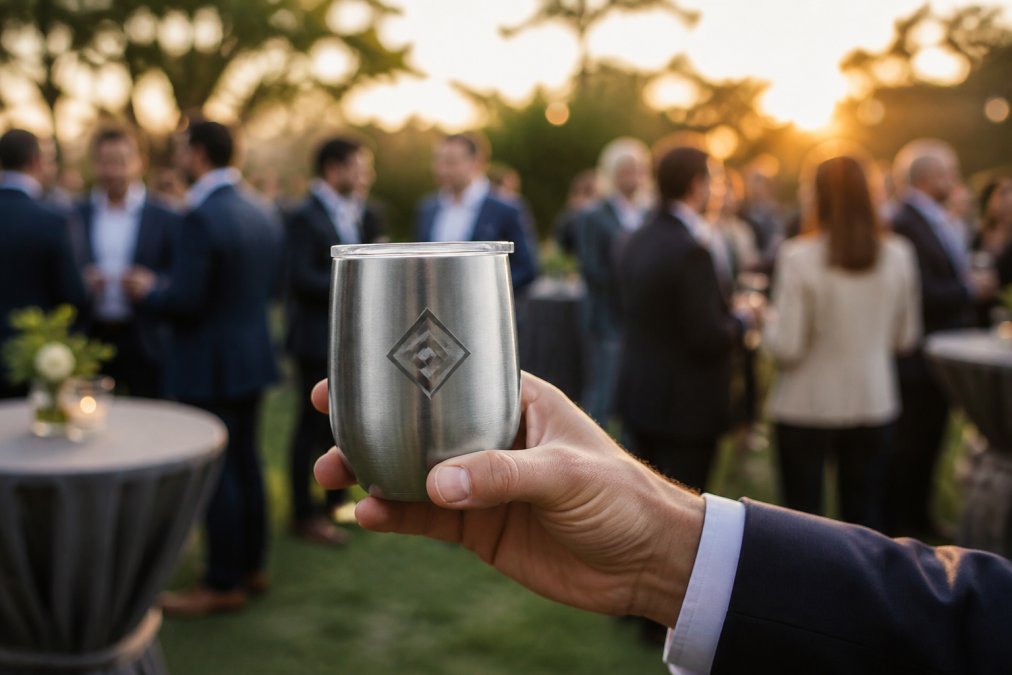
A true eco-friendly alternative is recyclable or biodegradable at end of life, uses renewable or recycled inputs, and survives repeated use. The best choice depends on whether you value recycled glass's story, metal's practicality, or compostable materials' low-waste profile.
Sustainable Promotional Drinkware: What Are Your Options?
Sustainable promotional drinkware falls into three categories: recycled glass, durable reusable materials like stainless steel, and biodegradable plant-based composites. Each serves a different purpose, from formal corporate gifts to high-volume event catering where breakage is a concern.
The distinction matters because "eco-friendly" is broad. Recycled glass can be heavy and fragile, while a lightweight polymer tumbler might be reusable but not biodegradable. Understanding each lifecycle helps avoid greenwashing.
| Material Type | Key Benefit | Best Use Case | End-of-Life |
|---|---|---|---|
| Recycled Glass | Low carbon footprint, premium feel | Corporate gifts, tasting rooms | Infinitely recyclable |
| Stainless Steel | Shatterproof, long lifespan | Outdoor events, client gifts | Recyclable metal |
| Plant-Based Composite | Biodegradable, lightweight | Catering, casual events | Compostable |
| Recyclable Polymer | Cost-effective, durable | Large festivals | Recyclable plastic |
Recycled Glass: A Direct Alternative for Custom Wine Glasses
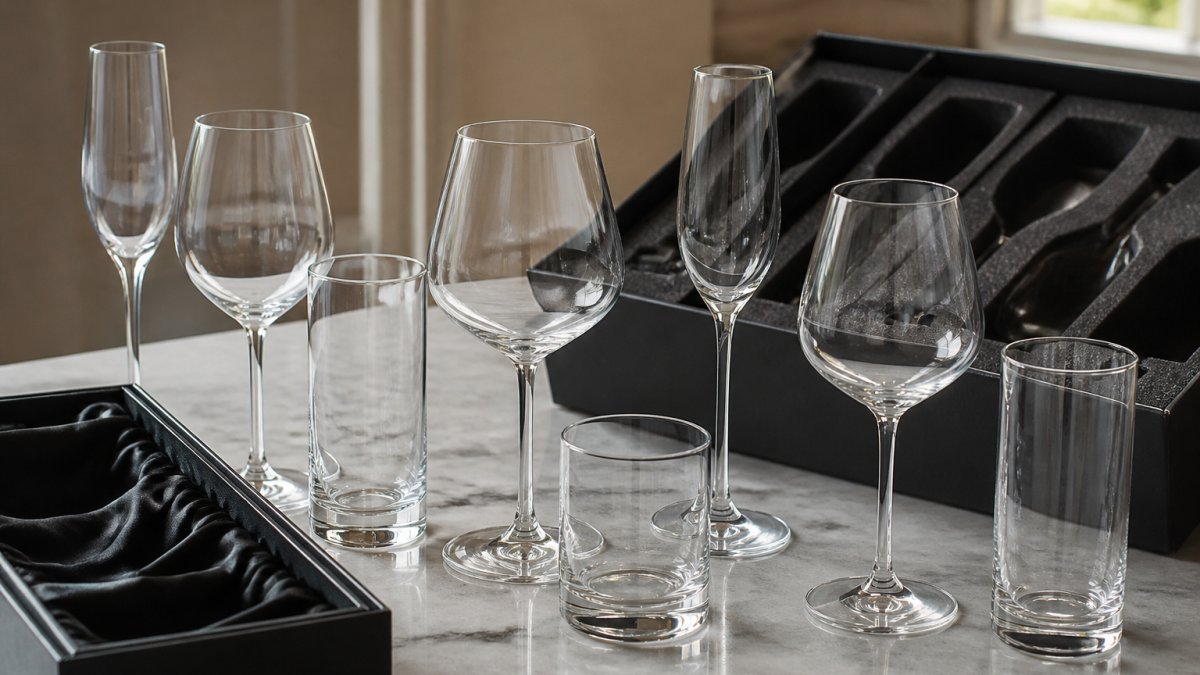
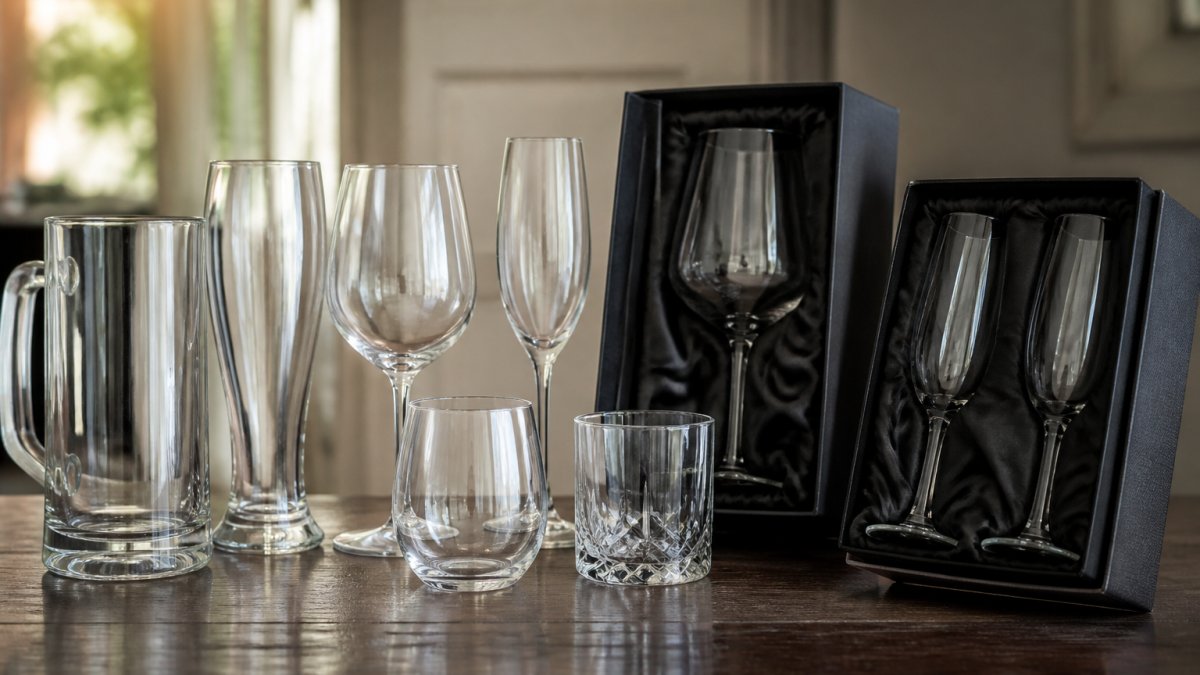
For businesses wanting the look and feel of traditional glass without environmental guilt, recycled glass is the closest direct alternative for custom wine glasses. It is made by melting post-consumer or post-industrial glass, requiring significantly less energy than virgin glass production.
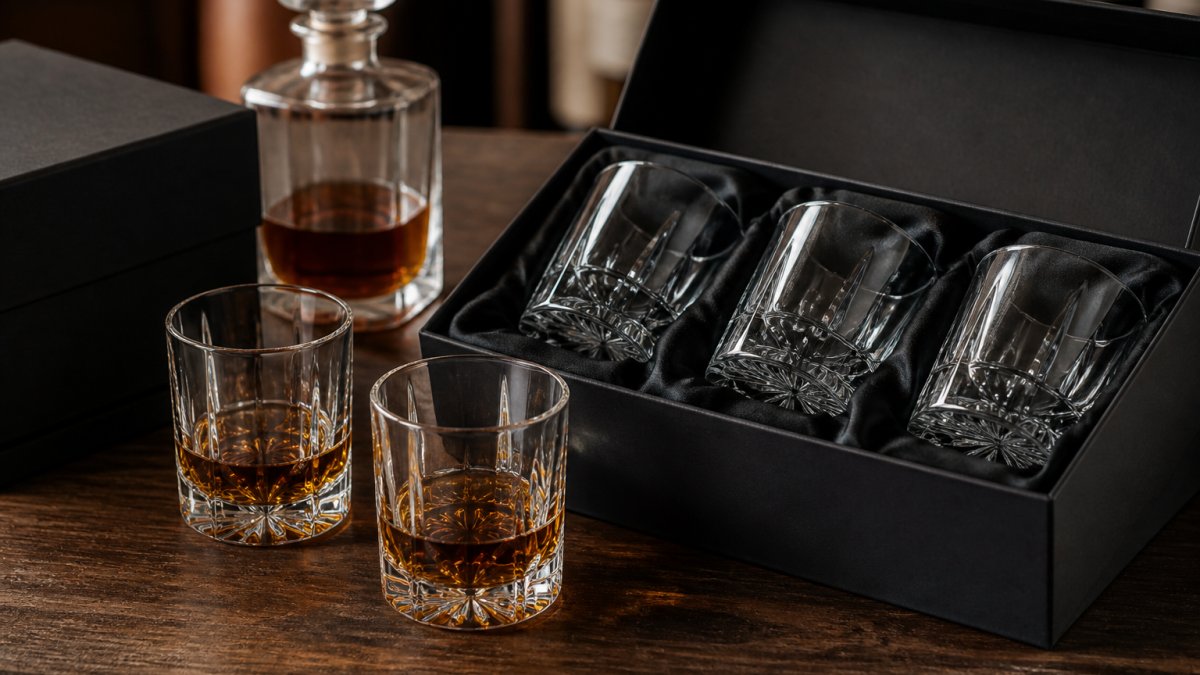
The aesthetic appeal of recycled glass is its variation. Handcrafted collections, such as NOVICA's artisan network, offer a distinctive, non-mass-produced look that tells a story of circular economy and craft. This makes recycled glass excellent for promotional gifts where the sustainability narrative matters as much as the product. However, customisation options can be more limited than with virgin glass, and slight variations in size and shape are part of the charm.
For larger corporate orders, suppliers like Perfect Imprints offer custom logo engraving on recycled glass at bulk scale. The trade-off is lead time; sourcing and processing recycled material requires more planning than standard stock.
Stainless Steel Wine Tumbler Branding: Durability Meets Style
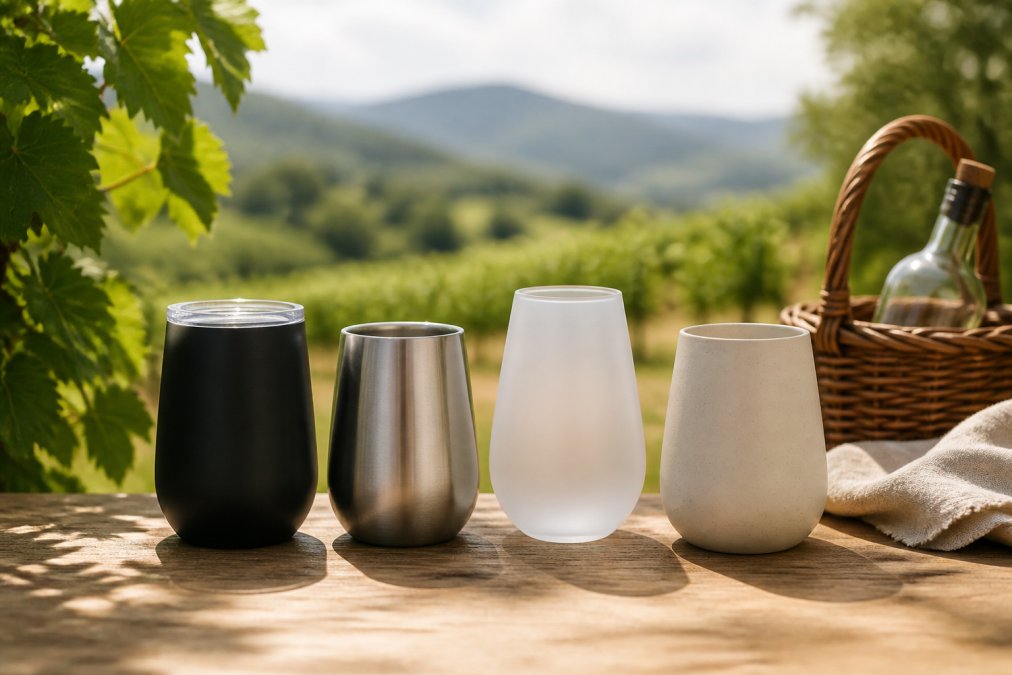
When breakage is a genuine risk, stainless steel wine tumblers offer a practical solution that carries your brand with style. They are virtually indestructible, surviving outdoor events, poolside hospitality, and transport without glass's replacement costs.
The branding potential on stainless steel is excellent. Laser engraving creates a crisp, permanent mark that does not fade or wash off, a common concern with printed glassware. This durability makes steel tumblers a favourite for corporate client appreciation gifts, keeping your logo in rotation for years.
The main drawback is the material itself; steel does not offer the crystal clarity wine enthusiasts expect. It is a lifestyle product rather than a fine dining instrument. For breweries and casual venues, however, the stainless steel wine tumbler is a versatile merchandise item bridging disposable cups and fragile glass.
Benefits of Reusable Custom Drinkware for Your Brand
The benefits of reusable custom drinkware extend beyond environmental talking points, offering tangible returns on marketing investment. A reusable tumbler or glass acts as a mobile billboard, generating repeated brand impressions every time it is used, unlike a single-use cup discarded within minutes.
From a cost perspective, the economics favour reusables at scale. While upfront cost per unit is higher than disposables, cost per use drops dramatically over the product's lifespan, particularly for hospitality venues where glass breakage is a constant operational cost.
There is also a reputational angle. Clients and guests increasingly notice when a brand reduces single-use plastics. Supplying a high-quality reusable item signals that your organisation considers its environmental footprint, strengthening client relationships and aligning with corporate sustainability targets.
Biodegradable and Plant-Based Materials for Events
For high-volume events where collecting and washing reusables is impractical, biodegradable plant-based materials offer a responsible alternative to plastic. Products like bamboo composite drinkware are lightweight, durable, and designed to break down naturally. However, the practical reality of using these materials at a catered event is more nuanced than the marketing suggests, and understanding maintenance and hygiene trade-offs is critical to avoiding a mid-event failure.
The Acidity and Temperature Problem
Wine is inherently acidic, typically sitting at a pH between 3.0 and 3.8 (peer-reviewed research). This acidity is a primary concern for plant-based composites, particularly those bound with natural resins. Most bamboo composite drinkware is designed for water, iced tea, or cold beverages. Prolonged exposure to wine, especially over a multi-hour event, can gradually break down the resin binder, leading to a porous surface that harbours bacteria and imparts a woody or bitter taste. Most manufacturers explicitly state their drinkware is not suitable for acidic liquids like wine or citrus juices.
Temperature is the second constraint. While a bamboo composite tumbler can handle a cold serve, it is generally not rated for hot liquids above 70°C. This is rarely an issue for wine service, but it becomes one if the venue uses the same stock for coffee or tea later in the day. The material's thermal insulation is poor compared to stainless steel, meaning a chilled white wine will warm quickly, degrading the tasting experience.
Dishwasher Cycles and Hygiene Protocols
The hygiene implication is significant. The porous nature of bamboo composite, once the surface seal is compromised by heat or acidity, creates a breeding ground for bacteria. Unlike glass or stainless steel, which have non-porous surfaces that can be sanitised effectively, a scratched or degraded bamboo surface cannot be reliably sterilised. This is why most commercial caterers avoid bamboo composite for events where glassware is washed and reused across multiple functions. The material is best suited to single-use scenarios where the item is given to the guest as a take-home gift.
The Composting Reality Check
A key selling point of bamboo composite is its compostability. However, the term 'compostable' is often misunderstood. Most bamboo composite products require industrial composting conditions, sustained temperatures of 55-60°C and specific moisture levels, to break down within a reasonable timeframe (typically 12-16 weeks) (the EPA). In a standard municipal landfill, which is anaerobic and lacks the necessary heat, a bamboo composite tumbler can persist for years.
Before ordering bamboo composite drinkware for your event, verify that your local waste management contractor actually sends organic waste to a commercial composting facility. Many Australian councils do not offer this service for event waste. If the infrastructure is absent, the 'biodegradable' claim becomes a symbolic gesture rather than a genuine environmental outcome. A more honest approach for high-volume events is to use a recyclable PET (polyethylene terephthalate) cup that is clearly labelled and collected via a dedicated recycling stream.
The Unique Angle: Matching Material to Beverage Chemistry
Most competitor articles stop at listing material benefits. The practical gap is matching the material to the specific beverage chemistry. For wine service specifically, the acidity profile makes most plant-based composites a poor fit. If you are serving wine, the realistic biodegradable options are limited to coated paper cups (which have a thin plastic or PLA lining) or single-use PLA (polylactic acid) cups. PLA is derived from corn starch and is technically compostable, but it has a low glass transition temperature of around 60°C, meaning it will soften and deform if exposed to warm conditions during transport or storage.
For events where wine is the primary beverage and sustainability is a stated goal, the most practical plant-based option is a PLA-lined paper cup with a custom print. These cups are lightweight, reduce plastic waste by up to 80% compared to traditional PET cups, and are accepted by most commercial composting facilities if the event has a dedicated organics stream. The trade-off is a less premium feel and a single-use lifecycle, but for a large conference where washing is impossible, this is often the most honest and effective choice.
Practical Selection Criteria for Events
When evaluating biodegradable options for your event, ask the supplier three questions:
- What is the maximum recommended contact time with acidic beverages? If under two hours, it is not suitable for wine service.
- Is the product certified for industrial composting under AS 4736 (the Australian standard for compostable plastics)?
- What is the upper temperature limit for dishwasher or hot-water exposure? If below 60°C, plan for hand-wash or single-use protocols.
By applying these criteria, you can avoid the common pitfall of selecting a visually appealing 'eco' product that fails in practice. The most sustainable drinkware is the one that survives the event intact and is disposed of through the correct waste stream, not the one with the most compelling marketing story.
End-of-Life Disposal: What Happens After the Event?
The sustainability story of your drinkware does not end when the event finishes; how the item is disposed of determines its true environmental impact. This is the stage where many well-intentioned choices fail.
For reusable items like stainless steel tumblers and quality glassware, the goal is to maximise the number of uses. If the branding is generic enough, or the item is desirable enough, guests will take them home and continue using them, extending the product's lifecycle significantly. This is the most effective form of waste reduction because it avoids disposal altogether.
For biodegradable and recyclable options, the infrastructure must exist to process them correctly. Compostable materials require access to commercial composting facilities, while recyclable plastics need to be clean and sorted. If your venue lacks these facilities, a biodegradable cup may still end up in landfill. Checking your local waste management capabilities before ordering is a practical step that many event planners overlook.
How to Choose the Right Eco-Friendly Alternative
Choosing the right eco-friendly alternative for your custom wine glasses comes down to three factors: the nature of your event, your budget, and the message you want your brand to convey. There is no single perfect material, only the right fit for your specific context. However, most decision-making frameworks ignore the single largest variable in the environmental equation: the carbon cost of shipping.
The Shipping Weight Problem Most Guides Ignore
A standard glass wine glass weighs approximately 450 grams. A stainless steel wine tumbler weighs roughly 300 grams. A bamboo composite tumbler weighs around 150 grams. When you are ordering 5,000 units for a corporate event, the difference in shipping weight is substantial. A pallet of 5,000 glass glasses weighs 2,250 kilograms, while the same quantity of bamboo composite tumblers weighs just 750 kilograms, a threefold reduction in freight weight.
For domestic Australian transport, the carbon impact of that weight difference is measurable. A typical refrigerated truck emits approximately 1.2 kilograms of CO2 per kilometre. Moving 2,250 kilograms of glass from Sydney to Melbourne (approximately 900 kilometres) generates roughly 1,080 kilograms of CO2 for the glass shipment alone, versus 360 kilograms for the bamboo composite. If your supplier is importing from overseas, the difference is amplified dramatically. Sea freight emissions are typically calculated at 15-20 grams of CO2 per tonne-kilometre. Shipping 2.25 tonnes of glass from China to Sydney (approximately 8,000 kilometres) adds roughly 288 kilograms of CO2, while the same volume of bamboo composite adds just 96 kilograms.
A Lifecycle Comparison Framework
To make an informed choice, you need to compare the full lifecycle of each option, not just the material story. The table below outlines the key variables to assess:
| Material | Production Energy | Transport Weight | Lifespan (Uses) | End-of-Life Pathway |
|---|---|---|---|---|
| Recycled Glass | Moderate (lower than virgin) | Heavy | 500+ (if washed) | Infinitely recyclable |
| Stainless Steel | High (mining and refining) | Moderate | 1,000+ | Recyclable metal |
| Bamboo Composite | Low | Light | 1-5 (if hand-washed) | Industrial compost |
| Recyclable Polymer (PET) | Moderate | Light | 1 (single-use) | Recyclable if collected |
The critical insight is that the 'greenest' material depends entirely on your use case. For a corporate gift that will be used for years, stainless steel's high production energy is amortised over 1,000+ uses, making it the lowest-carbon option per use. For a single-use event cup, a lightweight PET cup that is actually recycled may have a lower carbon footprint than a bamboo composite cup that ends up in landfill.
The Breakage and Replacement Cost Calculation
Beyond carbon, the economic case for each material is driven by breakage rates. Glass breakage in a commercial event setting typically runs at 3-5% per event (the CDC). For a venue hosting 50 events per year with 200 glasses in circulation, that is 300-500 replacement glasses annually. Stainless steel and bamboo composite have near-zero breakage rates, eliminating this recurring cost entirely.
However, the replacement cost of glass is offset by its longevity. A well-maintained glass glass can last for decades, while a bamboo composite tumbler may only survive 5-10 hand-washes before the surface degrades. If your venue has a commercial dishwasher, glass is the only option that survives the heat and detergent cycles. If your venue is a pop-up or outdoor operation without washing facilities, stainless steel is the most durable reusable option.
A Decision Framework Based on Your Constraints
Rather than a generic scenario table, use this three-step filter to narrow your options:
- Do you have commercial washing facilities on site? If yes, recycled glass is the most sustainable and practical choice. If no, move to step two.
- Will the drinkware be collected and reused, or given away? If collected and reused, stainless steel is the best option for durability. If given away as a take-home gift, bamboo composite or recycled polymer are viable.
- What is the shipping distance from your supplier to the event venue? If over 1,000 kilometres, prioritise lightweight materials to reduce freight emissions. If local, the weight penalty of glass is less significant.
The Customisation Constraint
Customisation is the final variable that often overrides the environmental calculus. Recycled glass and stainless steel both respond well to laser engraving, which is a permanent, low-waste marking method. Bamboo composite is more challenging, most suppliers use pad printing or UV printing, which can wear off over time and may not be food-safe if the ink degrades. If your branding requires intricate detail or a full-colour logo, recycled glass with ceramic enamel (fired at high temperature) or stainless steel with laser engraving are the only options that will survive commercial dishwashing and repeated handling.
For businesses that need to balance all these factors, the practical recommendation is to run a small pilot batch before committing to a large order. Test the material with your actual wine service, run it through your dishwasher cycle if applicable, and assess the branding durability after 10 washes. This empirical approach will reveal the real-world performance that no marketing brochure can guarantee.
Frequently Asked Questions
What are the best non-toxic drinking glasses?
For non-toxic drinkware, look for lead-free glass, such as Tritan crystal glass, or food-grade stainless steel. These materials avoid harmful chemicals that can leach into beverages. Recycled glass is also a non-toxic option, provided it is properly processed. When choosing custom options, confirm the etching or printing method uses non-toxic, food-safe inks and coatings, especially if the drinkware will be used frequently.
How do stainless steel wine tumblers compare to traditional glass for branding?
Stainless steel tumblers offer a distinct advantage for branding: they are nearly indestructible, making them ideal for outdoor events, corporate gifts, and promotional items that get reused. Unlike glass, they won't shatter, and they provide excellent insulation. For branding, they offer a large, flat surface for logos and are highly durable. The trade-off is that they don't offer the same clarity or traditional aesthetic as glass.
Can biodegradable materials be used for custom event glassware?
Yes, biodegradable materials like bamboo composites are viable for casual events and catering. These plant-based options are lightweight and can be composted at the end of their life, which is a significant advantage for waste reduction. However, they are not typically suitable for high-heat industrial dishwashers. They are a good choice for single-use or limited-use scenarios where you want to avoid plastic waste.
What are the most sustainable materials for custom branded drinkware?
The most sustainable materials depend on your priorities. Recycled glass is excellent because it reduces the need for virgin materials and is endlessly recyclable. Stainless steel is highly durable and promotes reuse for years. Bamboo composites are renewable and biodegradable. The key is to choose a material that aligns with your event's needs and ensures the item is used multiple times, maximising its environmental benefit.
Are recycled glass wine glasses a viable alternative for corporate events?
Absolutely. Recycled glass wine glasses offer the same premium look and feel as traditional glass while supporting the circular economy. Many suppliers can custom-etch or engrave logos onto these glasses, making them perfect for corporate gifts and events. They are a strong choice if you want a sophisticated, tangible item that tells a story about your brand's commitment to sustainability, though they require careful handling.