 ultimate-guide
Bespoke Corporate Glassware Design Guide 2026
Table of Contents
- Why Corporate Glassware Design Matters for Brand Identity
- Glassware Selection Criteria: Choosing the Right Style for Your Brand
- Laser Engraving vs Screen Printing for Glass: Which Technique Delivers Results
- Branded Glassware Design Best Practices
- Custom Glassware for Corporate Hospitality: Strategy and Implementation
- Design Artwork Requirements and the Proofing Process
- Bulk Ordering, Logistics, and Sustainability Considerations
- [Bulk procurement and minimum order requirements](#bulk-procurement and-minimum-order-requirements)
- Eco-friendly glass sourcing and storage for bulk inventory
- Conclusion
Last Updated: August 27, 2026
Why Corporate Glassware Design Matters for Brand Identity
Your brand lives in every touchpoint your clients, employees, and guests experience. When someone holds a glass bearing your company's mark, that moment creates a lasting impression that generic drinkware cannot achieve. Custom-branded glassware generates repeated exposure at zero additional cost and signals quality and intentionality. The Glassware Company has worked with corporate clients, wineries, breweries, and hospitality venues for years, and the pattern is consistent: organisations that invest in high-quality, custom-designed glassware see stronger brand recall and client satisfaction than those using standard promotional items.
Glassware Selection Criteria: Choosing the Right Style for Your Brand
The first decision is choosing the right vessel. Not all glassware suits every brand or occasion. A champagne flute sends a different message than a beer stein, and your choice shapes how your brand is perceived and how often your glassware will actually be used.
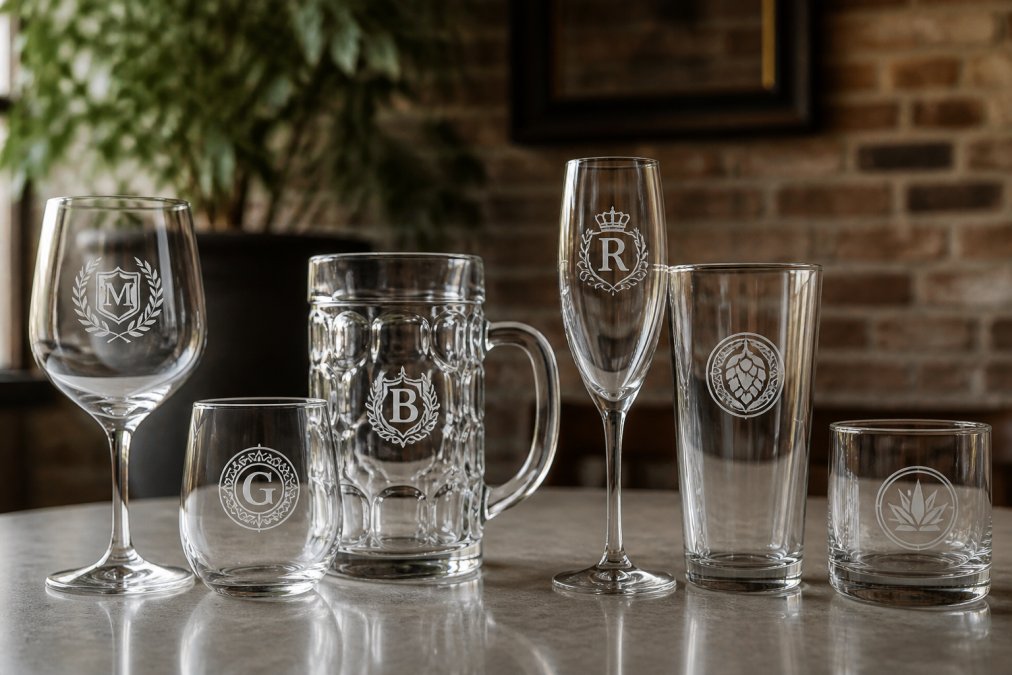
Glassware types and usage scenarios
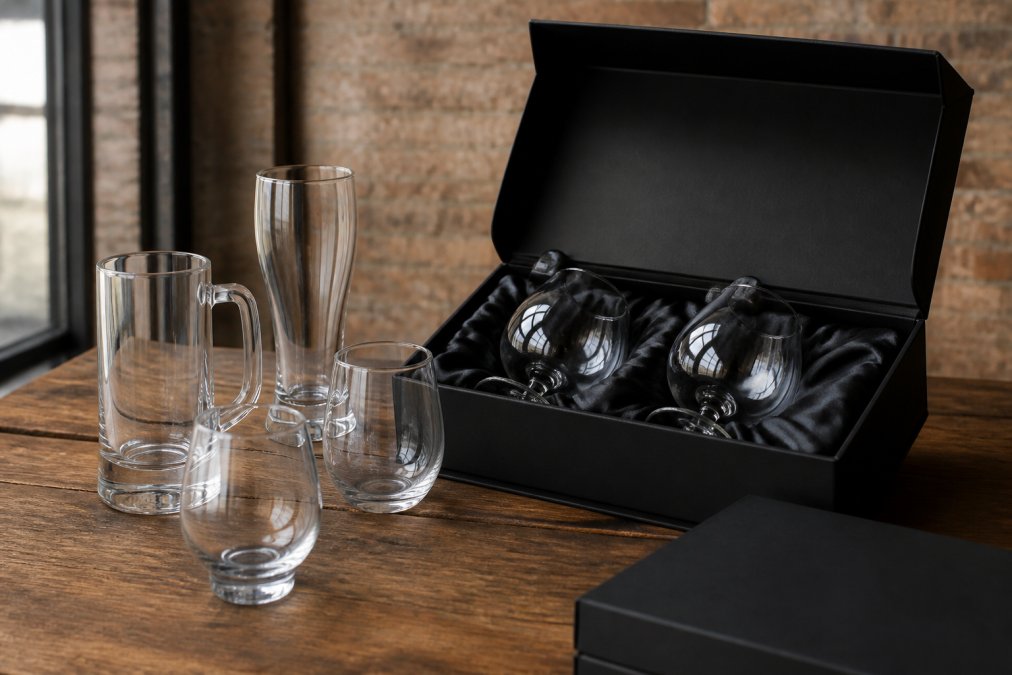
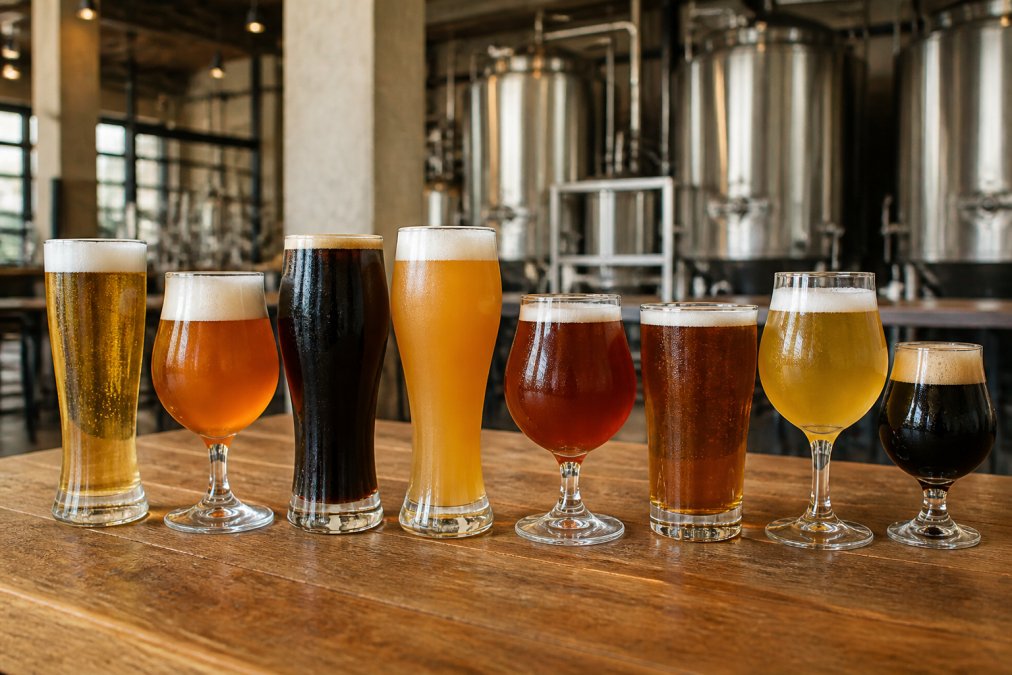
Wine glasses convey sophistication and suit wineries, fine dining, and upmarket corporate events. Beer steins work best for breweries, pubs, and casual hospitality. Champagne flutes suit celebratory events and luxury brand launches. Tumblers and highball glasses are versatile for casual corporate gifting. Pint glasses appeal to breweries and sports venues. Match the glass type to both your brand's positioning and your audience's actual drinking habits.
Choosing the right glass shape for your audience
Shape communicates as much as decoration does. A tall, narrow flute conveys elegance; a wide bowl wine glass suggests generosity; a sturdy beer stein implies tradition. For corporate clients and formal events, choose refined shapes like wine glasses and champagne flutes. For hospitality venues, select shapes guests recognise and feel comfortable using. Ergonomics matter too, a glass should feel comfortable in the hand and balance well when full. Quality glassware has weight and substance; when someone holds a well-designed glass bearing your logo, they feel the quality, reinforcing their perception of your brand.
Laser Engraving vs Screen Printing for Glass: Which Technique Delivers Results
Once you've selected your glassware, decide how to apply your design. Laser engraving uses a focused laser beam to etch the glass surface, creating a permanent mark. Screen printing applies ink directly onto the glass through a mesh screen. Each has distinct advantages and cost implications.
Engraving depth and durability comparison
Laser engraving creates a physical mark in the glass itself. A shallow engraving (0.1-0.2 mm) produces a subtle, elegant effect; a deeper engraving (0.3-0.5 mm) creates a more dramatic, tactile effect (peer-reviewed research). Because the mark is physically etched into the glass, it cannot fade, peel, or wear away through normal use or washing. However, laser engraving works best with solid colours and simple designs. Photographic images or complex multi-colour artwork don't translate well.
Print durability and dishwasher performance
Screen printing applies ink to the glass surface. High-quality screen printing inks can last for hundreds of dishwasher cycles without significant fading (peer-reviewed research). Screen printing excels at reproducing multi-colour designs, gradients, and photographic images. If your glassware will see heavy, daily use in a commercial dishwasher, laser engraving offers superior durability and maintains its appearance indefinitely.
Branded Glassware Design Best Practices
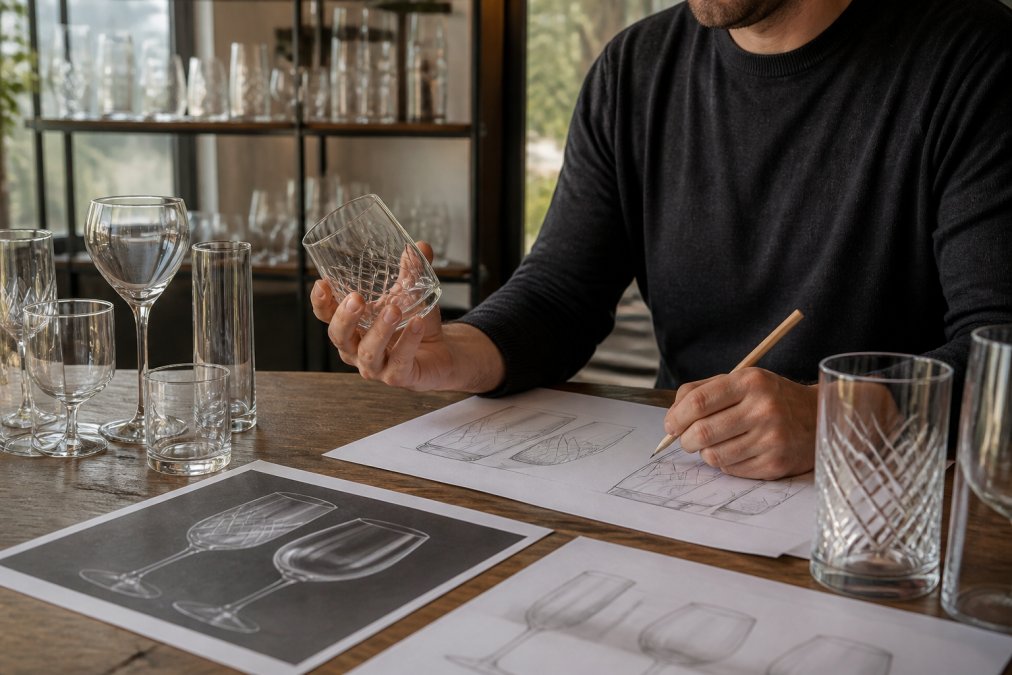
Designing artwork for glass requires a different mindset than digital or print media. Glass is reflective and three-dimensional; the design will be viewed from multiple angles and distances.
Logo scalability and high-resolution graphics
Your logo must work at the size it will appear on the glass. A logo perfect at 50 mm wide might become illegible at 12 mm. Request a mockup showing your logo at actual size on the glassware you've chosen before committing.
For laser engraving, you need vector artwork (infinitely scalable) rather than raster images. For screen printing, high-resolution artwork at 300 DPI works, but vector files are preferable. Dark colours (navy, black, deep burgundy) show up well on clear glass. Light colours can appear washed out on clear glass; consider using them on coloured or frosted glass instead.
Vector artwork requirements and proofing
Before any glassware goes into production, approve a proof showing exactly how your design will appear on the finished piece. Request a digital proof first, then ask for a physical sample before committing to full production. A sample glass costs relatively little and is invaluable insurance against costly mistakes. You can assess how the design actually looks in person, how it catches light, and whether the colour matches your expectations. The Glassware Company provides detailed proofing to ensure your artwork is exactly as you envision it before production begins.
Custom Glassware for Corporate Hospitality: Strategy and Implementation
Corporate hospitality glassware serves multiple purposes simultaneously. It's a functional item your guests will use, a branded asset that reinforces your company's image, and often a keepsake that extends your brand's presence long after the event ends.
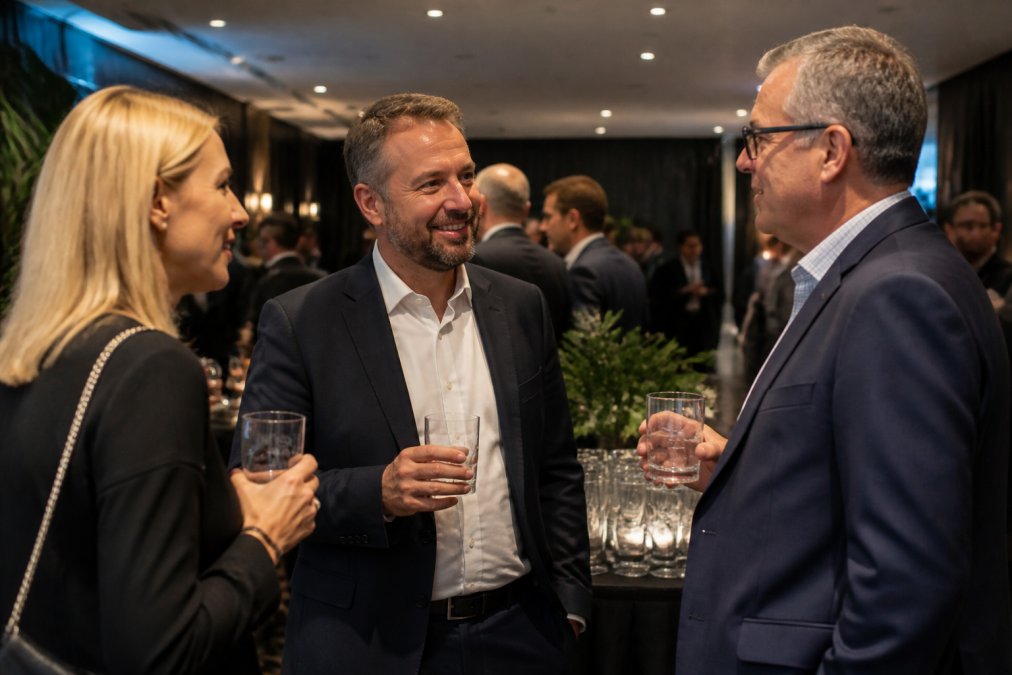
Corporate gifting and brand recall metrics
When you gift high-quality, branded glassware to clients or employees, you're investing in brand recall. Unlike a pen or notebook that might be discarded after months, a quality glass becomes part of someone's regular rotation. Every time they use it, they think of your brand. A thoughtfully selected, high-quality glass feels like genuine appreciation rather than a transactional giveaway. Timing amplifies the effect, glassware gifted at the conclusion of a successful project or after a major contract signing carries more weight than random giveaways.
Event merchandise and hospitality industry standards
For hospitality venues, wineries, breweries, restaurants, hotels, and resorts, branded glassware serves dual purposes. It's functional equipment for serving guests and branded merchandise that extends your presence beyond the venue. In the wine and spirits industry, custom glassware is standard practice. A guest who enjoys a wine tasting from a branded glass might purchase a set to take home, extending your brand into their household. Hospitality venues use custom glassware to reinforce brand consistency and create a cohesive, premium experience.
Design Artwork Requirements and the Proofing Process
Moving from concept to production requires clear communication between you and your supplier.
Preparing artwork files for glass finishing
For laser engraving, vector files (Adobe Illustrator, EPS, or PDF) are standard. For screen printing, high-resolution raster files (TIFF, PSD, or high-quality JPEG at 300 DPI) work, but vector files are preferable.
Include detailed specifications with your artwork file: exact dimensions and placement on the glass, colour requirements (specify Pantone colours if exact matching is critical), any special effects, quantity, and glassware style. Provide a brief written description of your vision to help your supplier make informed decisions about sizing, placement, and technique.
Batch consistency and colour matching across orders
One of the most common complaints about custom glassware is inconsistency across batches. To minimise inconsistency, establish a colour reference standard with your supplier. Request a physical sample from your first production run and agree to use it as the colour standard for all future orders. Communicate about acceptable tolerance levels. For large orders, request that your supplier batch production to minimise colour drift within a single order. The Glassware Company maintains detailed records of colour specifications and ink batches to ensure consistency across reorders.
Bulk Ordering, Logistics, and Sustainability Considerations
Most custom glassware is ordered in quantities ranging from dozens to thousands of units. Understanding minimum order quantities, lead times, and shipping implications helps you plan effectively.
Bulk procurement and minimum order requirements
Most glassware suppliers have minimum order quantities, typically ranging from 24 to 100 units depending on the glassware style and decoration technique. Some suppliers accommodate orders as small as 12-24 units for an upcharge. Before committing to a supplier, clarify their minimum order requirements and flexibility for small orders. Lead times vary based on order size and production capacity. A small order might ship within 2-3 weeks; a large order might take 6-8 weeks. Confirm lead times and rush options before placing your order.
Eco-friendly glass sourcing and storage for bulk inventory
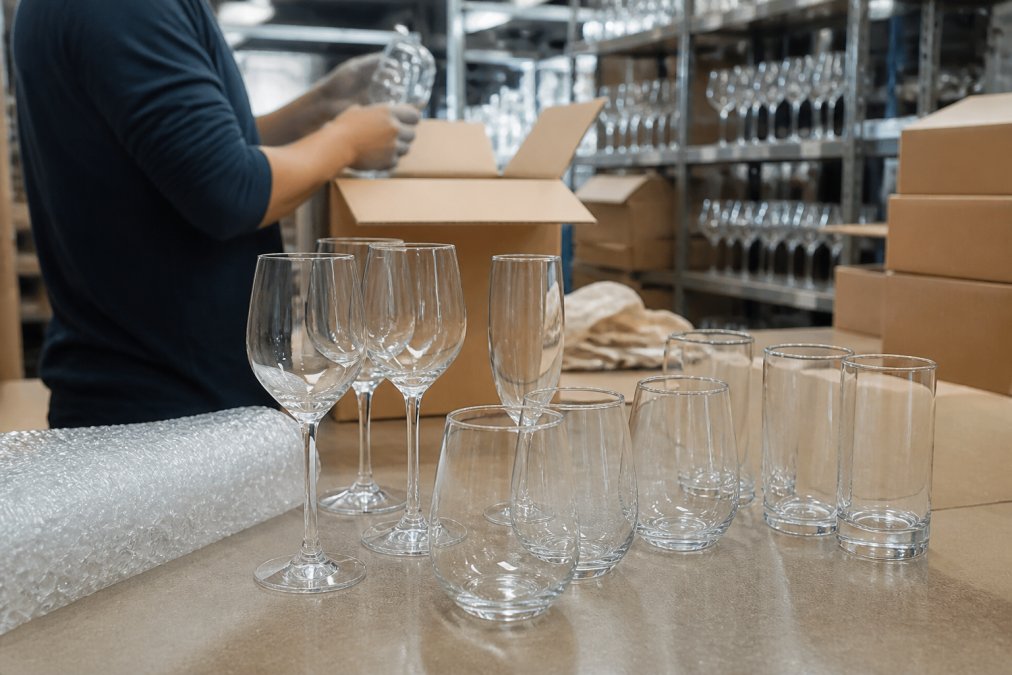
Sustainability is increasingly important to corporate clients and hospitality venues. Many glass manufacturers now use recycled glass in their production, which requires less energy to process than virgin glass (Australian Government Department of Climate Change, Energy, the Environment and Water). Ask your supplier what percentage of recycled content their glassware contains. Discuss packaging options and request recycled or minimal packaging where possible. Storage of bulk inventory requires planning. Custom glassware is fragile and needs secure, climate-controlled storage to prevent breakage.
Selecting and designing custom glassware for your brand is an investment in how clients and guests perceive your organisation. When executed thoughtfully, custom-branded glassware becomes a powerful brand asset that delivers lasting impressions and strengthens client relationships.
The Glassware Company specialises in helping corporate clients, hospitality venues, and event organisers navigate this process. With expertise in laser engraving and screen printing, a comprehensive range of glassware styles, and a commitment to batch consistency and design quality, we ensure your custom pieces reflect your brand's values and make the impression you intend. Ready to commission bespoke glassware that stands out? Request an online quote and let us help you create something memorable.
Frequently Asked Questions
What is the difference between laser engraving and screen printing for corporate glassware?
Laser engraving uses focused heat to create a permanent mark by removing a thin layer of glass surface, producing designs that won't fade or wash away even with frequent dishwasher use. Screen printing applies ink or paint to the glass surface and works best for solid colours and bold logos. For corporate gifting requiring durability, laser engraving offers superior longevity and a more refined, professional appearance. Screen printing is cost-effective for simpler designs and smaller quantities.
How do I ensure my logo design is suitable for glass etching?
Submit your logo as a high-resolution vector file (minimum 300 DPI) with clean lines and adequate contrast. Avoid thin lines or intricate details that may not reproduce clearly when engraved. Your design should scale well from small to large sizes without losing clarity. Work with your supplier's design team during the proofing stage to review a digital mock-up of how your logo will appear on the specific glassware style you've chosen. This step prevents costly production errors.
Will custom engraving on glassware hold up in a commercial dishwasher?
Laser-engraved designs are highly durable and withstand repeated commercial dishwasher cycles without fading or wearing away. The engraving creates a permanent mark in the glass itself, not a surface coating. However, the glassware's overall longevity depends on the quality of the glass and the engraving depth. Always confirm with your supplier that they use food-safe, dishwasher-safe materials and appropriate engraving techniques for your intended use.
What are typical lead times for custom glassware orders?
Lead times vary depending on order quantity, design complexity, and the engraving or printing technique used. Standard orders typically take 2-4 weeks from approval of artwork to dispatch. Rush orders may be available at an additional cost for urgent events. Bulk orders may require longer timescales due to production volume. Contact your supplier early in your planning process to confirm realistic timescales for your event or campaign. Providing artwork in the correct format upfront helps avoid delays.
How can branded glassware enhance corporate gifting and client relationships?
Custom glassware serves as a lasting, functional reminder of your brand every time a client or employee uses it. High-quality, bespoke designs signal professionalism and attention to detail, strengthening brand recall and loyalty. Corporate gifting with personalised glassware is particularly effective in hospitality, wine, and brewery sectors where the product aligns naturally with the recipient's interests. The perceived value of a well-designed, durable glass item often exceeds its cost, making it an efficient investment in brand impression and relationship building.
What should I know about batch consistency and colour matching for repeat orders?
Batch consistency is crucial when reordering the same design. Specify colour codes, artwork files, and finish preferences clearly with your supplier to minimise variation between batches. Request colour samples or digital proofs before full production begins. Factors like glass type, engraving depth, and lighting can subtly affect how a design appears across batches. Establish a documented standard with your supplier and request consistent quality checks. Building a long-term relationship with a single supplier helps maintain uniformity across multiple orders.
Are there minimum order quantities or setup fees for bespoke glassware?
Minimum order requirements and setup fees vary by supplier and depend on the glassware style, customisation technique, and order complexity. Some suppliers offer smaller runs with modest setup fees, while others may require larger minimum quantities to offset production costs. Discuss your specific needs with your supplier, many can accommodate smaller orders for established clients or provide transparent pricing that accounts for setup costs. Requesting a quote based on your exact quantity and design ensures you understand the full cost before committing.
This article was written using GrandRanker